Your Cart is Empty

Or perhaps more accurately, the conversations and reflections around it have.
Madaraka was about the right to self-governance, to decide your own direction. Sixty-odd years later, I find myself thinking about what that means economically. And strangely, I keep coming back to coffee.
Before I worked in coffee, I saw what coffee made possible.
It began in the coffee landscapes of East Africa, where I saw firsthand how a single crop could shape livelihoods, communities, and opportunity.
At the time, my work took me into coffee-growing communities across East Africa, where I spent time with farmers, cooperatives, and others involved across the value chain. What struck me wasn't just the quality of the coffee being produced, but the role coffee played in creating incomes, opening opportunities, and supporting entire communities.
Since then, my journey has taken me from Kenya to Ireland, through finance, fintech, and now into the coffee industry with Moyee Coffee.
Looking back, the path makes more sense than it did at the time.
Because the more time I spend around coffee, the more I realise it is about far more than what ends up in the cup.
Coffee changes form many times before it reaches the cup.
It's grown.
Processed.
Roasted.
Packaged.
Branded.
Sold.
Brewed.
Historically, so did the ownership of its value.
The strange thing about the coffee industry is that the most irreplaceable part of the supply chain has often captured the least value from it.
Countries like Kenya produce some of the most respected coffee in the world, yet for decades, much of the commercial upside sat furthest from where the coffee was actually grown.
The bean left origin.
And eventually, everything else followed: roasting, branding, cafés, retail margins, storytelling.
The further coffee travelled from origin, the more valuable it often became.
That's not a coffee problem. It's a value-chain problem.
And somewhere along the way, the product became significantly more valuable than the producer.
Few products reveal the systems of global trade quite as clearly as coffee.
Which is partly why the questions behind Madaraka still feel relevant beyond politics.
Because Madaraka was about self-governance. About taking greater control over national direction and identity. And in today's world, that conversation increasingly becomes economic too.
For years, conversations around development in producing countries have often centred around aid.
And while aid has absolutely played an important role, you cannot aid your way out of structural imbalance.
Aid can relieve pressure. But eventually, value itself has to move differently.
The question isn't whether producing countries can create value.
They already do.
The question is how much of that value they are allowed to keep.
Working at Moyee hasn't resolved these questions for me. If anything, it's sharpened them.
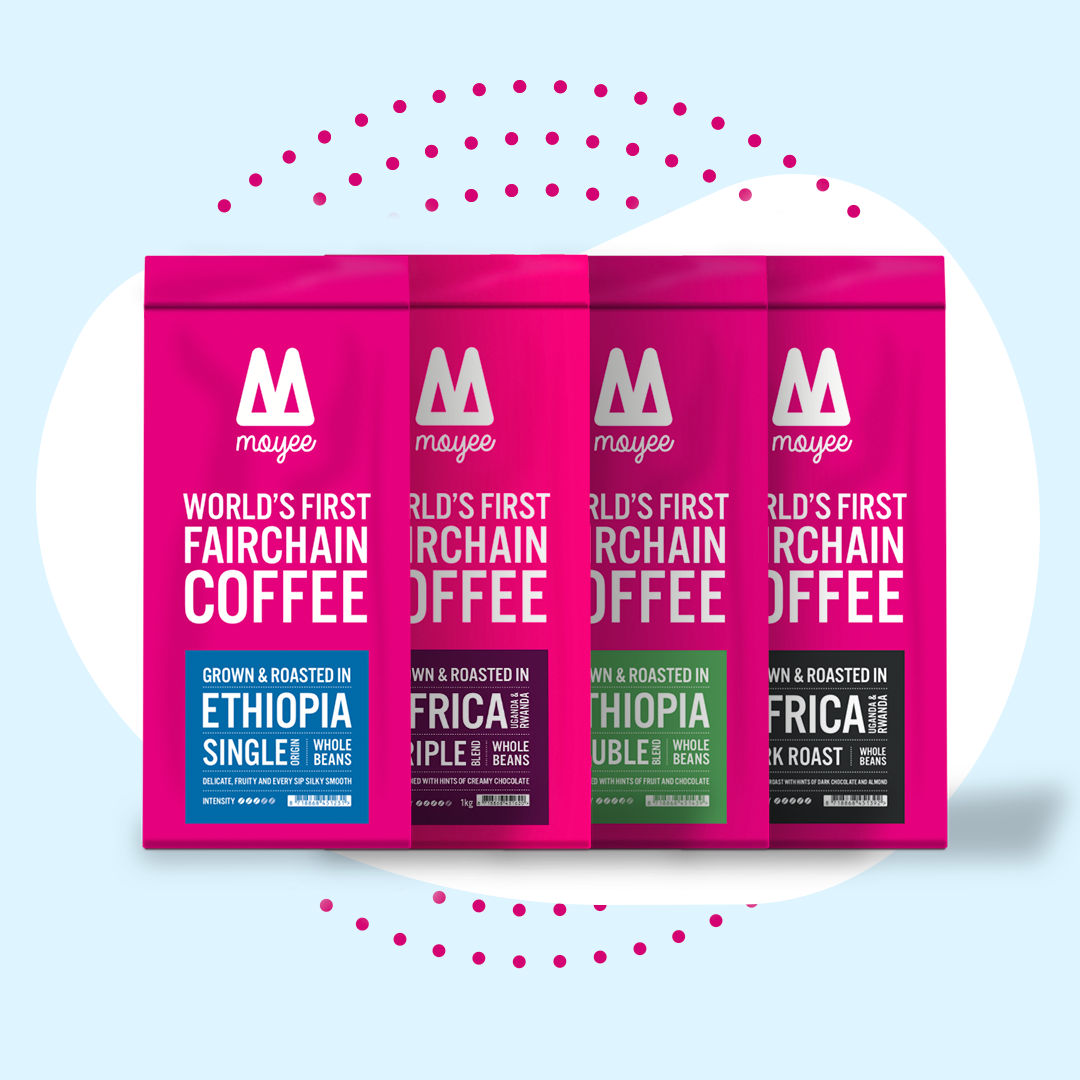
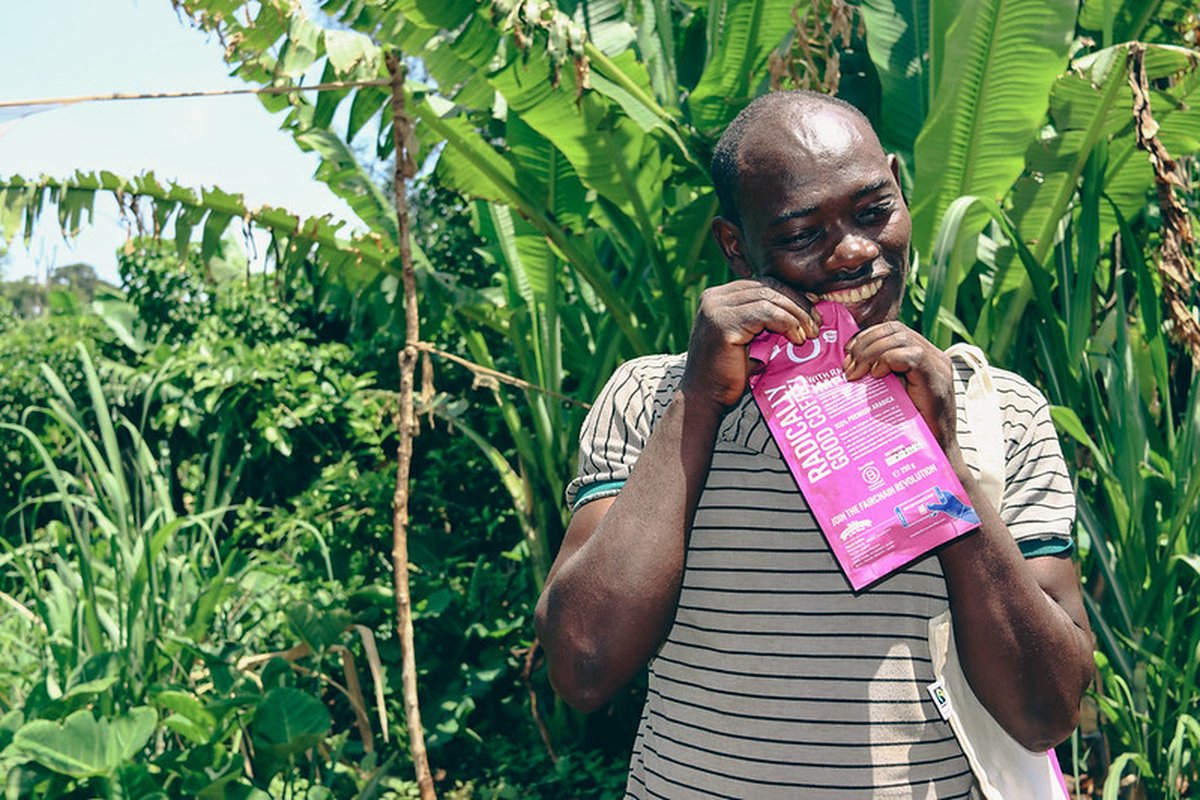
Because roasting at origin in Kenya and Ethiopia is a deliberate bet on a different model. Not charity. Not guilt. A commercially viable answer to the question of where value should stay.
Because ultimately, sustainable change survives through business models, not just good intentions.
I believe that is where the future of coffee is heading.
Not just better flavour, notes or higher cupping scores. But better alignment between where coffee comes from and where its value stays.
That conversation extends far beyond coffee.
For years, many African economies exported raw materials while much of the processing, branding, and commercial ownership developed elsewhere.
But the next chapter may increasingly belong to countries that move beyond exporting raw potential and start exporting finished excellence.
Coffee simply happens to be one of the clearest examples.
And perhaps that is why coffee matters more than people think. Because sometimes the world reveals its deepest systems through everyday rituals.
Madaraka was about political self-governance.
The next chapter may be about economic ownership.
Producing countries are no longer just waiting to be chosen. They are beginning to choose.
The future of coffee may ultimately depend on a simple question:
Where should more of its value stay?
Increasingly, I believe the answer matters just as much as where the coffee itself comes from.

Brewing exceptional coffee at home is both an art and a science. Whether you're new to home brewing or an experienced coffee lover, having the right beans, equipment, and techniques will elevate your daily cup.

The coffee industry has long been marred by economic disparities, with a significant portion of profits accruing to consuming countries, leaving producers with minimal returns. Moyee Coffee seeks to address this imbalance through its commitment to ethical sourcing and the FairChain model, ensuring that value addition benefits coffee-producing nations.

Exploring new coffee recipes can elevate your home brewing experience, offering a variety of flavors and styles to enjoy. Here's a guide to some must-try recipes, a detailed method for crafting the perfect latte, and insights into the differences between iced coffee and cold brew.